

Boxing Is Becoming the New CrossFit
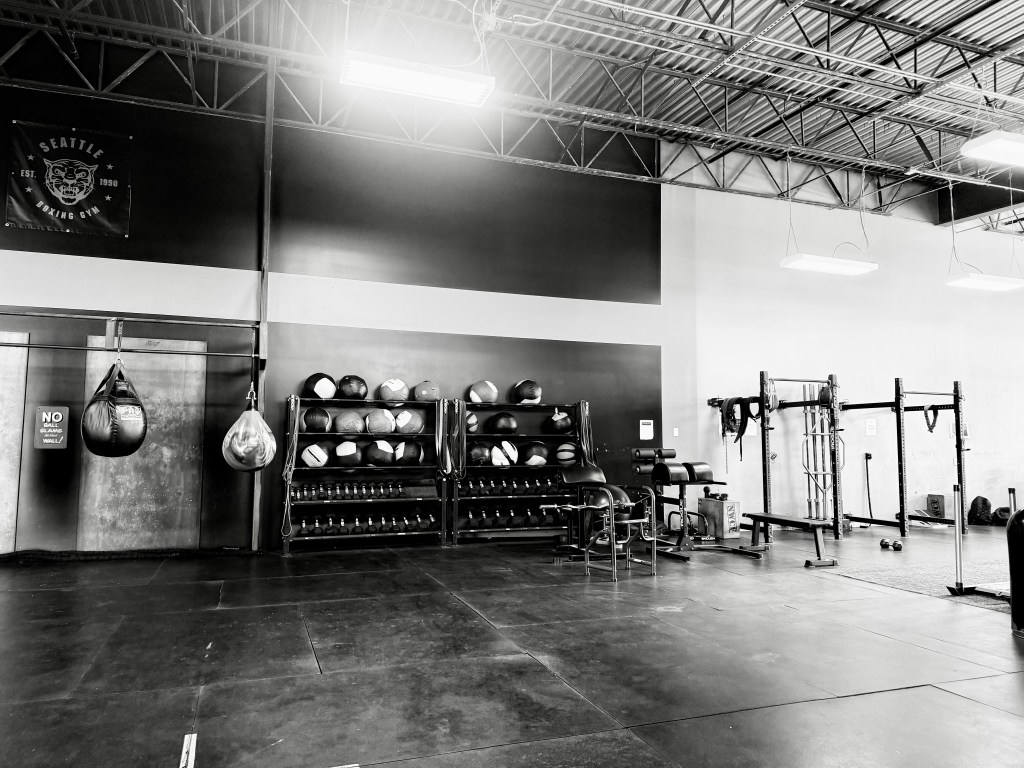
Walk into almost any city gym now and you’ll see it: the thump of gloves on heavy bags, jump ropes snapping rhythmically against rubber floors, people of every age learning to slip, pivot, and breathe with intent. A decade ago, that soundscape might have been dominated by barbells crashing onto platforms and whiteboards filled with CrossFit WODs. Today, more and more of that energy is drifting toward boxing.
Boxing is quietly becoming the new CrossFit—not because it’s trendy for a moment, but because it taps into something deep: the desire to move with purpose, to feel powerful in our own bodies, and to belong to a training culture that welcomes different ages, sizes, and abilities.
A Sport for All Kinds of Bodies
One of the biggest reasons boxing is attracting such a wide range of people is its built-in scalability. You don’t need to be young, shredded, or already “fit” to start. You don’t even need to hit hard in the beginning.
A 22-year-old can be working on explosive combinations on the heavy bag while, 10 feet away, a 55-year-old is drilling basic footwork patterns and light shadowboxing. Both are doing “real” boxing. The sport adjusts to the person:
- Rounds can be shorter or longer.
- Combinations can be simple (jab–cross) or complex (slip–counter–roll–pivot out).
- Intensity can range from light technical work to full conditioning burnouts.
Boxing respects starting points. For men and women who feel intimidated by barbell culture or high-skill Olympic lifts, strapping on gloves and learning how to throw a jab can feel like a doorway instead of a barrier. You don’t need to be athletic to start; you become more athletic by showing up.
Stamina: The Engine Behind the Hands
From the outside, boxing looks like a sport of fists. In reality, it’s a sport of lungs, legs, and heart.
A typical boxing session layers conditioning almost by accident:
- Jump rope rounds build aerobic capacity and rhythm.
- Shadowboxing challenges coordination while keeping the heart rate elevated.
- Bag or mitt rounds blend power, speed, and endurance in short, intense bursts.
- Movement drills—circling, cutting angles, slipping—keep the whole body engaged.
This structure naturally trains both aerobic and anaerobic systems. Instead of “doing cardio” as a separate chore, you’re breathing hard because you’re practicing a craft. That makes stamina training more sustainable. People stick with what feels meaningful, and it’s hard to find something more meaningful than learning how to fight well.
Strength Without Chasing Numbers
CrossFit helped popularize strength training, no question. Box jumps, deadlifts, cleans, snatches: it made barbell work mainstream and exciting. But with that came a natural focus on numbers—how much you lift, how fast you finish, where you sit on the leaderboard.
Boxing takes a different path to strength.
Most boxing gyms rely heavily on:
- Bodyweight exercises: pushups, pull-ups, planks, squats, burpees, sit-ups.
- Core and rotational work: Russian twists, medicine-ball throws, band rotations.
- Light resistance tools: small dumbbells, resistance bands, sometimes kettlebells.
The goal isn’t to hit a back squat PR; it’s to make your punches sharper, your guard stronger, your legs more stable in the ring. Strength becomes functional almost by definition: you feel it when you hold your guard high in the last round, when you absorb a hit on the mitts without getting knocked off balance, when your core doesn’t fold under fatigue.
This approach appeals to people who want to feel “strong enough for life” without living under a barbell.
Balance, Coordination, and Grace
CrossFit builds power and conditioning, but boxing leans more deliberately into coordination, timing, and balance. Every punch you throw starts at the feet, spirals through the hips and core, and finally expresses itself through the hands.
Footwork drills—step-and-slide, pivots, angle changes, in-and-out movement—train:
- Balance: staying centered whether you’re advancing or retreating.
- Proprioception: knowing where your body is in space without looking.
- Agility: shifting weight quickly and smoothly.
For older athletes, beginners, or anyone who feels a little clumsy, boxing is a surprisingly powerful way to reclaim grace. You don’t just get fitter; you move better in daily life—walking, turning, reacting. Your nervous system gets as much training as your muscles.
Real Self-Defense Skills, Not Just Fitness
A lot of group fitness programs talk about “feeling empowered,” but boxing gives that word teeth.
After a few months of consistent training, you’ve usually picked up:
- A solid jab that can create distance.
- A cross or hook that can generate real power.
- Basic defensive moves: slipping, rolling, blocking, covering.
- The ability to keep your cool while tired and under pressure.
Most people will never step into a ring for a sanctioned fight, but the confidence that comes from knowing how to use your body under stress changes how you move through the world. It’s not about looking for conflict; it’s about feeling less helpless if conflict ever finds you.
Why Boxing Often Means Fewer Injuries Than CrossFit
No training style is completely injury-free, and boxing certainly has its risks—wrist strains, shoulder issues, or, in sparring, head impacts if not managed wisely. But compared to CrossFit, many people find boxing easier on their joints and less likely to produce overuse injuries. There are a few big reasons:
- Less heavy external loading
CrossFit, by design, includes Olympic lifts, heavy squats, deadlifts, and presses—sometimes performed for high reps and speed. That combination of load + fatigue + complexity can increase the risk of form breakdown and injury if not carefully coached and scaled. Boxing, in contrast, leans on bodyweight and lighter resistance. You still work hard, but your spine and joints aren’t repeatedly asked to move maximal or near-maximal loads under fatigue. - More cyclical, fluid movement
Boxing is built on continuous movement—stepping, pivoting, slipping, rolling. Rather than hammering the same joint angles with heavy weights, you’re shifting, flowing, and distributing the stress more evenly through your body. - Technique over leaderboard
In a well-run boxing gym, the emphasis is on doing things correctly: proper alignment on punches, protecting your wrists, maintaining balance. There’s no posted time to beat, no points for being the fastest. That can reduce the temptation to sacrifice form for speed. - Easier entry for different bodies
For someone with cranky knees, a history of back pain, or limited mobility, high-impact barbell and plyometric work may be tough to scale safely. Boxing allows these athletes to modify intensity while still feeling fully “in the class” rather than sidelined.
Again, that doesn’t mean boxing is magically safe or CrossFit is inherently dangerous. It means that the typical structure of boxing training—lighter external loads, bodyweight emphasis, and a strong focus on technique and rhythm—can be kinder on a wide range of bodies, especially as people age or come back from injury.
The Future: Gloves as the New Badge of Belonging

CrossFit gave a generation of people a tribe, a language, and a sense of achievement: WODs, RX weights, PRs. Boxing is now offering something similar, but in a different flavor: hand-wrap rituals, shared bags, rounds counted off by the bell, the quiet respect between people who have sweat through the same combinations.
Men and women in their 20s, 40s, 60s are all discovering that:
- You can build stamina without slogging on a treadmill.
- You can gain strength without chasing barbell numbers.
- You can improve balance and coordination without ever stepping on a Bosu ball.
- You can develop self-defense skills while getting in the best shape of your life.
As more people look for training that feels athletic, expressive, and sustainable, boxing has stepped out of the shadows of the “fight game” and into the center of everyday fitness.
In a world that often asks us to sit down and shrink ourselves, boxing does the opposite. It asks you to stand tall, take up space, breathe deeply, and move with intention. That’s why, for so many, the sound of glove on bag is starting to replace the clang of barbell on floor.
Boxing isn’t just the new CrossFit. For a growing crowd, it’s the new way of developing strength on their own terms.

 Hubris & Effort